
 CONNECT
 LOG IN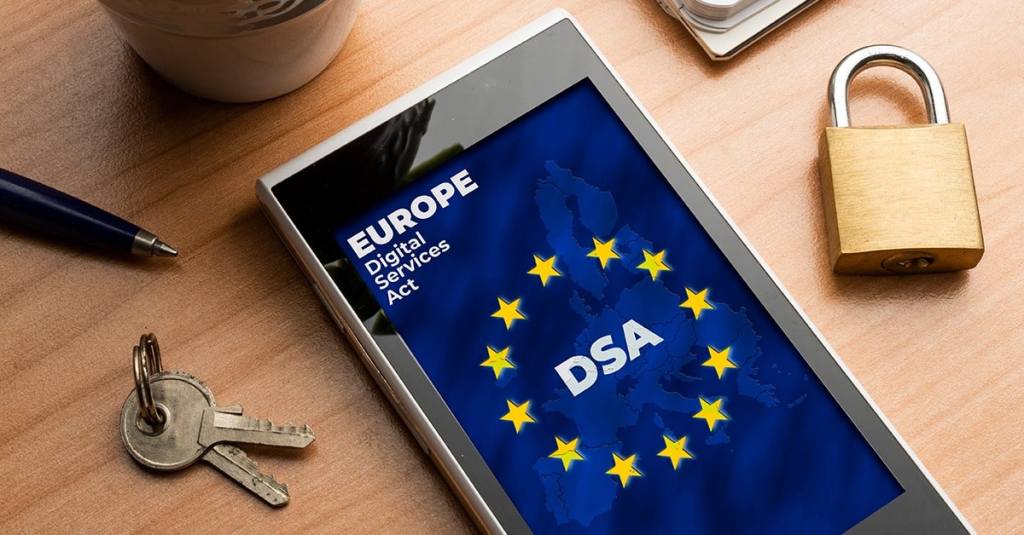
The Digital Services Act (DSA), enacted by the European Union, represents a comprehensive legal framework to regulate digital platforms, promote transparency, and protect users’ rights in the online environment. It complements the Digital Markets Act (DMA), targeting systemic issues in the digital economy. Effective from November 2022, the DSA imposes obligations on various digital service providers, with stricter rules for larger platforms identified as “Very Large Online Platforms” (VLOPs) or “Very Large Online Search Engines” (VLOSEs).
Objective of the DSA
The DSA aims to:
- Create a safer digital environment for users by tackling illegal content, ensuring accountability, and improving user rights.
- Establish a transparent framework for digital platforms to manage content responsibly.
- Address societal challenges, such as misinformation and algorithmic biases.
Who Does the DSA Apply To?
The DSA applies to all digital services operating in the EU, regardless of where the company is based, including:
- Intermediary services (e.g., internet access providers).
- Hosting services (e.g., cloud storage, web hosting).
- Online platforms (e.g., social media, marketplaces, app stores).
- VLOPs and VLOSEs (platforms with more than 45 million EU users).
Key Provisions of the DSA
Content Moderation and Liability
- Platforms must have clear procedures for handling illegal content, ensuring quick removal while respecting fundamental rights.
- Users must be informed about decisions to remove content and have the ability to appeal.
Transparency Requirements
- Platforms must disclose how algorithms curate content, with VLOPs and VLOSEs required to provide users with a clear explanation of recommendation systems.
- Annual transparency reports must detail content moderation actions.
Protection for Minors
- Platforms must implement measures to prevent harm to minors, including disabling targeted advertising based on profiling.
Advertising Regulations
- Users must be able to identify advertisements, the party behind them, and the criteria used for targeting.
Accountability of VLOPs and VLOSEs
- These platforms have stricter obligations, including mandatory independent audits, assessments of systemic risks (e.g., misinformation, data misuse), and offering users more control over recommendations (e.g., chronological feeds).
Crisis Response Mechanism
- The European Commission can mandate urgent actions from platforms during crises, such as public health emergencies or natural disasters, to prevent the spread of harmful misinformation.
Enforcement and Penalties
- The European Commission oversees VLOPs and VLOSEs, while national Digital Services Coordinators regulate smaller entities.
- Non-compliance can result in fines of up to 6% of global annual turnover or temporary service suspension within the EU.
Relation to Other Laws
The DSA complements existing laws, such as:
- EU GDPR: Overlaps in transparency and accountability requirements.
- eCommerce Directive: Updates and expands its intermediary liability rules.
- EU AI Act: Addresses algorithmic transparency alongside DSA obligations.
Examples of DSA Impact
- Social media platforms like Facebook or TikTok must provide detailed information on how their algorithms promote certain posts.
- E-commerce platforms like Amazon must ensure sellers are verified to prevent counterfeit goods.
- Search engines like Google must ensure transparency about ranking criteria in search results.
Frequently Answered Questions
Who does the DSA apply to?
The DSA applies to all digital services that operate in the EU, including:
- Intermediary services like internet access providers and cloud storage.
- Hosting services such as web hosting platforms.
- Online platforms like social media networks and online marketplaces.
- Very Large Online Platforms (VLOPs) and Very Large Online Search Engines (VLOSEs), which are platforms with more than 45 million EU users.
What are Very Large Online Platforms (VLOPs) and Very Large Online Search Engines (VLOSEs)?
VLOPs and VLOSEs are platforms with more than 45 million EU users. These platforms are subject to stricter regulations due to their large impact on public discourse, privacy, and the digital economy. They are required to undergo independent audits, assess risks, and offer users greater control over their content.
How does the DSA relate to the EU GDPR?
The DSA complements the General Data Protection Regulation (GDPR) in areas like transparency, accountability, and user rights. While the GDPR focuses on data protection, the DSA targets content moderation and platform responsibilities. Both laws share similar goals of ensuring user protection and promoting transparency.
How does the DSA protect minors online?
The DSA requires platforms to implement measures that prevent harm to minors, such as disabling targeted advertising based on profiling. Platforms must also ensure the overall safety of minors using their services.
