
 CONNECT
 LOG IN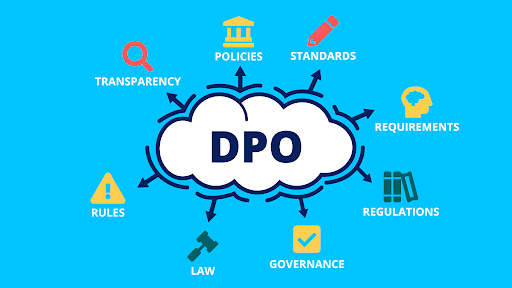
A Data Protection Officer (DPO) is a key figure within an organization responsible for ensuring that it complies with data protection laws and principles. The DPO serves as the primary point of contact between the organization, its employees, customers, and regulatory authorities regarding personal data protection matters. In jurisdictions governed by data protection laws such as the EU GDPR and UK GDPR, appointing a DPO is not only a good practice but a legal requirement for certain organizations.
Key Responsibilities of a Data Protection Officer
Monitoring Compliance
The DPO is responsible for ensuring that the organization adheres to the relevant data protection laws and internal policies. This includes regular audits, monitoring data processing activities, and identifying areas where improvements are necessary to meet compliance standards.
- Example: A DPO within a hospital will regularly monitor patient data handling procedures to ensure compliance with health data privacy laws.
Data Protection Impact Assessments (DPIAs)
One of the primary duties of the DPO is to assist the organization in conducting Data Protection Impact Assessments (DPIAs), especially when initiating new data processing activities that could impact individuals’ privacy. DPIAs help identify risks associated with personal data processing and ensure that these risks are mitigated.
- Example: A DPO at a tech company may oversee DPIAs before launching a new product that collects large amounts of user data.
Providing Advice and Training
The DPO offers guidance and training to staff members on how to handle personal data securely and how to implement data protection principles in day-to-day operations.
- Example: A DPO might conduct an annual training session for employees of an e-commerce company, educating them about GDPR compliance, data security, and handling customer data.
Acting as a Contact Point for Authorities and Individuals
The DPO acts as a liaison between the organization and supervisory authorities, such as the Information Commissioner’s Office (ICO) in the UK or the Data Protection Authority (DPA) in the EU. They are also the point of contact for individuals who want to exercise their data protection rights, such as requesting access to their personal data.
- Example: If an individual wants to request access to the data a company holds about them, the DPO would facilitate the process and ensure it aligns with legal obligations.
Handling Data Breaches
In the event of a data breach, the DPO is tasked with ensuring that the breach is reported promptly to the relevant supervisory authority, and when necessary, to affected individuals. The DPO also helps assess the breach’s impact and suggests corrective actions to minimize future risks.
- Example: After a breach of customer payment details, the DPO would ensure that the incident is reported to the regulator within the required 72 hours under GDPR.
When is a DPO Required?
Under laws like the GDPR, certain types of organizations are required to appoint a DPO. This includes:
- Public authorities or bodies.
- Organizations that engage in large-scale systematic monitoring of individuals (e.g., online platforms tracking user behaviour).
- Organizations that process large amounts of sensitive personal data (e.g., healthcare providers).
However, even if an organization is not legally obligated to appoint a DPO, it may choose to do so as a best practice to enhance its data protection efforts and demonstrate commitment to privacy.
DPO’s Independence and Reporting
The DPO must operate independently within the organization, without interference from management or other departments, to ensure that data protection is given the necessary importance. The DPO should report to the highest management level within the organization, typically the board of directors, to underline the significance of data protection in business operations.
- Example: In a large multinational corporation, the DPO reports directly to the CEO or the board to ensure that data protection is prioritized at the strategic level.
Why a DPO Matters
- Ensures Legal Compliance: Having a dedicated DPO ensures that the organization remains compliant with local and international data protection laws, avoiding costly penalties or reputational damage from non-compliance.
- Promotes Privacy and Trust: A DPO plays a crucial role in maintaining transparency around how personal data is handled, thus fostering trust among customers, employees, and regulators. Organizations with a DPO demonstrate a proactive approach to privacy.
- Improves Data Protection Practices: A skilled DPO helps refine data protection practices within the organization, ensuring data is processed and stored securely and in compliance with legal standards.
- Minimizes Risks of Data Breaches: By continuously monitoring data processing activities, the DPO can help minimize the risks associated with data breaches and guide the organization on how to respond swiftly and effectively if an incident occurs.
Real-World Example
Consider a global retail chain that processes vast amounts of customer data. The company appoints a DPO to monitor compliance with the GDPR as it expands into the EU market. The DPO ensures the company follows the law by overseeing data collection methods, conducting training for employees, and ensuring that customer data is stored securely. Additionally, the DPO guides the company in responding to data subject access requests and handles reporting when any data breach occurs.
The role of a Data Protection Officer (DPO) is an integral role within organizations, particularly under data protection laws like the EU and UK GDPR, DPDPA (India), DIFC Data Protection Law and the UAE PDPL. The DPO ensures compliance with data protection laws, monitors data processing practices, and safeguards individuals’ privacy rights. Organizations that appoint a DPO demonstrate a strong commitment to ethical data handling and risk management, fostering trust with both customers and regulatory bodies alike.
Frequently Answered Questions
Is appointing a Data Protection Officer (DPO) mandatory for all businesses?
No, appointing a DPO is not mandatory for all businesses. However, under laws like the EU and UK GDPR, it is required for certain organizations, such as public authorities, those processing large-scale sensitive personal data, or those engaged in systematic monitoring of individuals. Even if not legally required, businesses may still appoint a DPO as a best practice for enhanced data protection.
What are the primary responsibilities of a Data Protection Officer (DPO)?
The DPO is responsible for ensuring compliance with data protection laws, monitoring data processing activities, conducting Data Protection Impact Assessments (DPIAs), providing training, and serving as the point of contact for both individuals and regulatory authorities. The DPO also handles data breach incidents and ensures legal obligations are met, such as reporting breaches within the required timeframe.
Who does the Data Protection Officer report to within an organization?
The DPO must report directly to the highest level of management, such as the board of directors or the CEO. This ensures that data protection is prioritized and given the necessary importance within the organization. The DPO must operate independently without interference from other departments.
What qualifications and skills are needed for a Data Protection Officer (DPO)?
A DPO should have a strong understanding of data protection laws, such as the GDPR, and a background in data security and privacy management. Knowledge of industry-specific regulations and risk management is also important. Strong communication and training skills are needed to educate staff and liaise with regulatory bodies and individuals.
Can a business outsource the role of the Data Protection Officer (DPO)?
Yes, a business can outsource the DPO role to a third-party provider or appoint an external expert to fulfil the duties. However, the organization is still responsible for ensuring that the external DPO performs the required tasks in compliance with the law.
